
Many cat owners wonder whether their cat should live indoors or outdoors. Both lifestyles have advantages and disadvantages, and the best choice often depends on your cat’s personality, environment, and safety considerations.
Let’s compare indoor and outdoor cats in three important areas: safety, lifespan, and behavior.
1. Safety
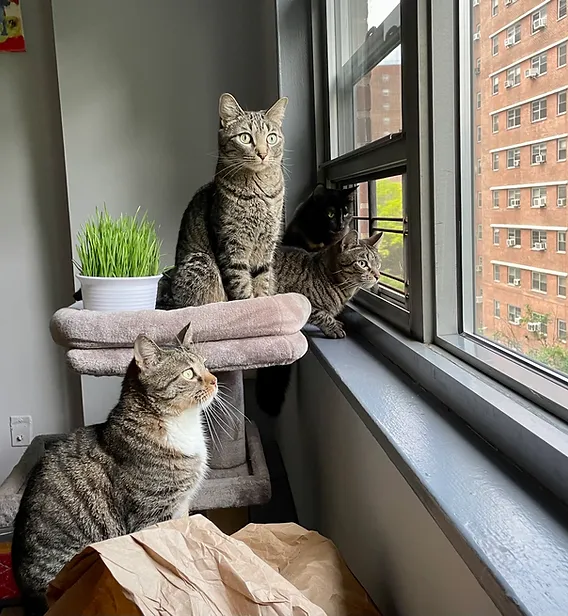
Safety is one of the biggest differences between indoor and outdoor cats.
Indoor Cats
- Protected from traffic accidents
- Less risk of fights with other animals
- Lower chance of infections and parasites
- Safer from theft or getting lost
Outdoor Cats
- Risk of car accidents
- Exposure to diseases and parasites
- Possible fights with other animals
- Higher chance of injuries
💡 Veterinarians usually recommend indoor living to keep cats safe and healthy.
2. Lifespan Difference

Living environment has a major impact on a cat’s lifespan.
Indoor cats typically live:
🐾 12–18 years
Outdoor cats often live:
🐾 5–10 years
The shorter lifespan for outdoor cats is mainly due to:
- Traffic accidents
- Exposure to diseases
- Harsh weather
- Predator attacks
Providing a safe indoor environment helps cats live longer and healthier lives.
3. Behavior Impact
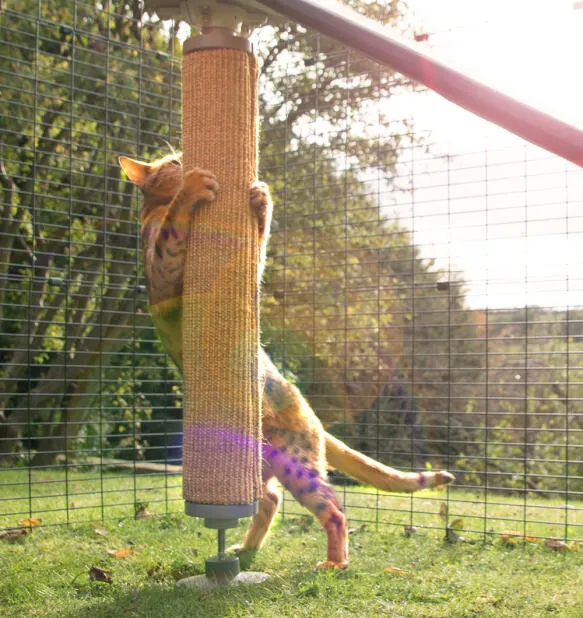
A cat’s environment can influence its behavior and activity level.
Indoor Cats
- Depend on owners for stimulation
- Need toys and playtime
- Can become bored without enrichment
Outdoor Cats
- Naturally exercise more
- Explore and hunt
- Experience more mental stimulation
💡 Tip: Indoor cats stay happier when they have:
- Interactive toys
- Climbing trees
- Window perches
- Regular play sessions
Final Verdict: Which is Better?
Most veterinarians agree that indoor living is the safest option for cats. However, you can still give your cat exciting experiences by creating an enriched indoor environment.
Some owners choose a middle option, such as:
- Supervised outdoor time
- Cat harness walks
- Secure cat patios (catios)
This allows cats to enjoy the outdoors without the risks.